

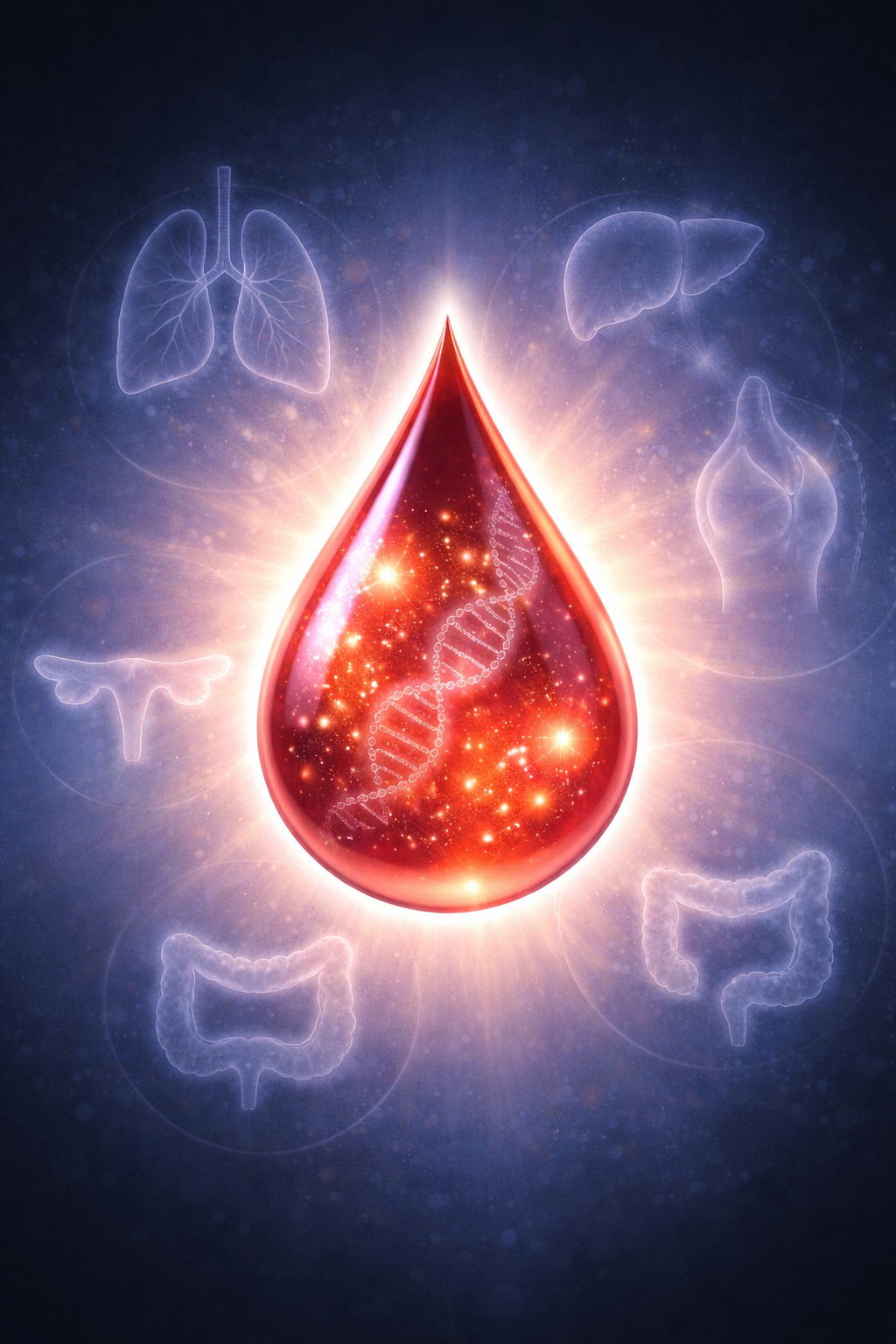
Scientists are working toward a future where a single blood test could help detect many types of cancer at once. Known as multi-cancer early detection (MCED) tests, these emerging tools aim to identify cancer before symptoms appear by analyzing traces of disease in the bloodstream.
MCED tests look for cancer-related signals, such as fragments of tumor DNA, proteins, and other biomarkers that cancers release into the blood. Unlike traditional screening methods, which typically focus on one cancer at a time. MCED tests have the potential to detect dozens of cancer types from a single sample, including cancers like pancreatic and ovarian that are often diagnosed at later, more difficult-to-treat stages.
Early studies suggest that these tests could identify over 50 types of cancer, raising the possibility of broader and more efficient screening. Large international clinical trials are now underway to evaluate how accurate these tests are and how they might be integrated into existing healthcare systems.
Despite their promise, challenges remain. Researchers are still working to determine how best to use MCED tests in real-world settings, including how to balance early detection with avoiding unnecessary follow-up procedures.
If successful, MCED technologies could represent a major step forward in cancer care, helping detect cancers earlier, when treatment is more likely to be effective.
 Top
Top