

From CancerQuest newsroom
Coffee is one of the most widely consumed beverages in the world, valued not only for its energy boost but also for its potential health benefits. However, emerging research suggests that the way coffee is consumed, particularly the containers used, may introduce unexpected health concerns.
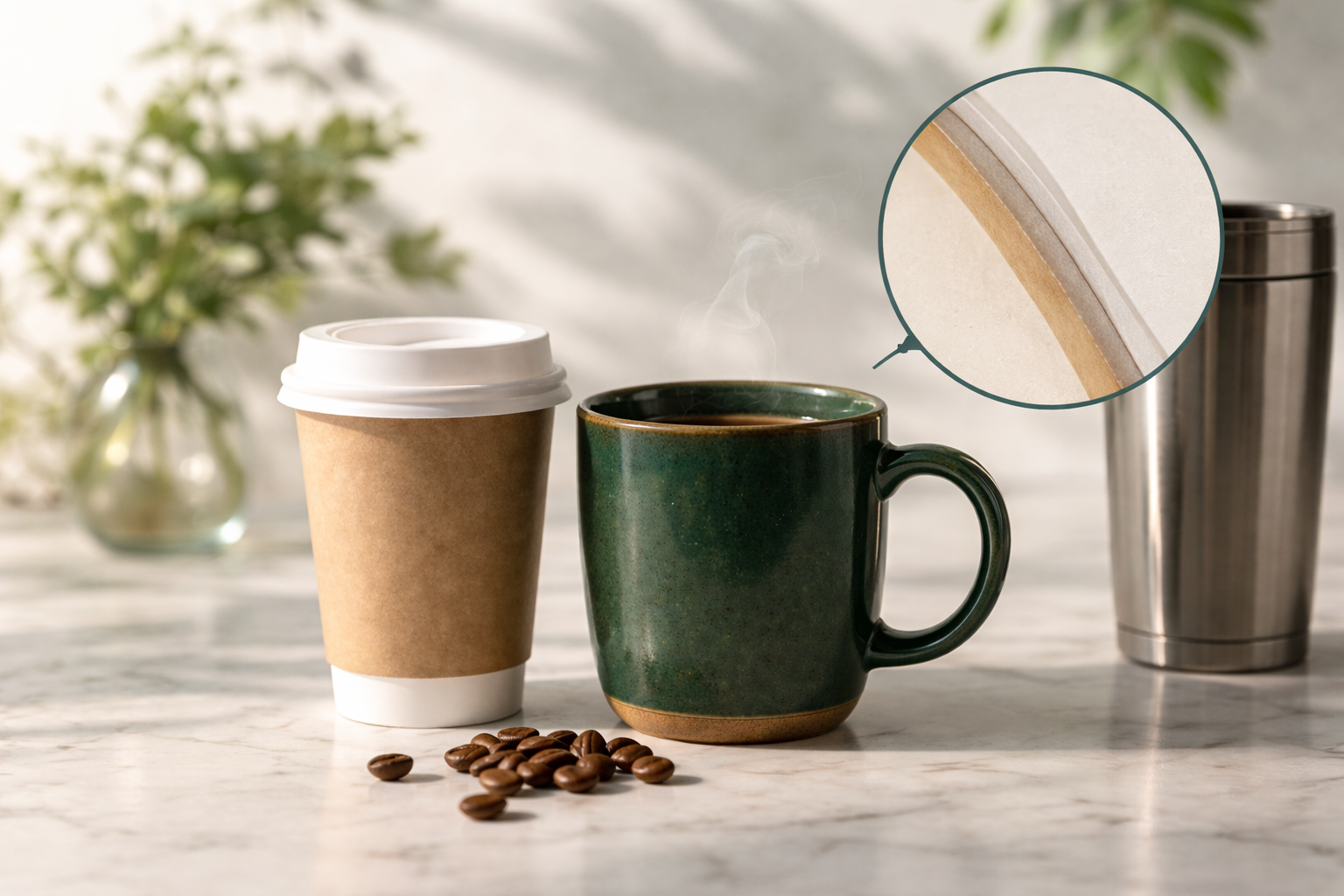
A recent study highlights that disposable paper cups, often perceived as environmentally friendly, are typically lined with a thin layer of plastic. When hot liquids are poured into these cups, this lining can begin to break down, releasing microplastics and chemical compounds into the beverage within minutes.
What Are the Concerns?
Microplastics are extremely small plastic particles that can enter the body through food and drink. In addition to the particles themselves, researchers have identified the potential release of chemicals such as phthalates and styrene, which are commonly used in plastics.
Early evidence suggests that repeated exposure to these substances may be associated with:
* Hormonal disruption
* Inflammatory responses
* Potential long-term health effects that are still being actively studied
It is important to note that research into the health impact of microplastics is ongoing, and scientists are still working to fully understand the extent of their effects in humans.
Beyond Paper Cups: Other Sources
Similar concerns have been raised about single-use coffee pods (K-cups) and other plastic-based brewing systems. These devices expose plastic materials to high temperatures and pressure during brewing, which may increase the likelihood of particle or chemical release.
What Can Consumers Do?
While there is no need to avoid coffee altogether, experts suggest that small, practical changes can help reduce potential exposure:
* Use ceramic or glass mugs when possible
* Choose stainless steel or reusable tumblers
* Consider plastic-free brewing methods, such as French press or pour-over systems
These simple adjustments can significantly limit contact with heated plastics.
Looking Ahead
As research into microplastics continues to expand, scientists are working to better understand how everyday exposures contribute to long-term health outcomes. This growing body of evidence reflects a broader shift in public health awareness, recognizing that routine habits and environmental exposures can play a role in overall health.
The Takeaway
Coffee itself remains a widely enjoyed and generally safe beverage. However, this research highlights an important consideration: it may not be what we drink, but what we drink it from, that deserves closer attention. Making informed choices about everyday habits can be a simple yet meaningful step toward reducing potential risks.
 Top
Top