

by Chealse Oduro
Cancer treatment has improved greatly over the years, but one major problem still remains: some cancer cells survive treatment and later return. Researchers are studying how certain cancer cells can enter a temporary “sleep mode” called dormancy, allowing them to resist chemotherapy and remain hidden in the body for years before becoming active again. These dormant cells are now believed to play an important role in cancer recurrence and metastasis.
Why Dormant Cancer Cells Survive
Dormant cancer cells can stop actively dividing and enter a resting state, which makes many chemotherapy drugs less effective because these treatments mainly target fast-growing cells. Researchers found that chemotherapy itself can sometimes push cancer cells into dormancy instead of fully destroying them.
Several survival strategies help these cells persist, including:
* Changes in the tumor microenvironment
* Low oxygen conditions (hypoxia) that activate survival pathways
* Metabolic shifts that allow cells to generate energy differently
* Autophagy, where cells recycle internal components to survive stress
The role of the immune system has been one that many rely on and is imperative toward keeping the body stable. This involves helping keep dormant cancer cells under control. Certain immune cells, including CD8+ T cells and natural killer (NK) cells, help keep dormancy and prevent tumor growth. However, when immune surveillance weakens, dormant cells may become active again and begin to grow.
Why this matters
Dormant cancer cells are difficult to detect and treat, making them a major challenge in long-term cancer therapy. To better understand how these cells survive and reawaken could revolutionize the whole study of cancer, and could help researchers develop treatments that either keep them permanently dormant or eliminate them entirely before recurrence occurs.
Looking ahead
Scientists continue to investigate how cancer dormancy works and how treatments influence it. Future therapies may focus not only on shrinking tumors, but also on preventing hidden cancer cells from surviving in the first place, improving long-term outcomes and reducing recurrence risk.
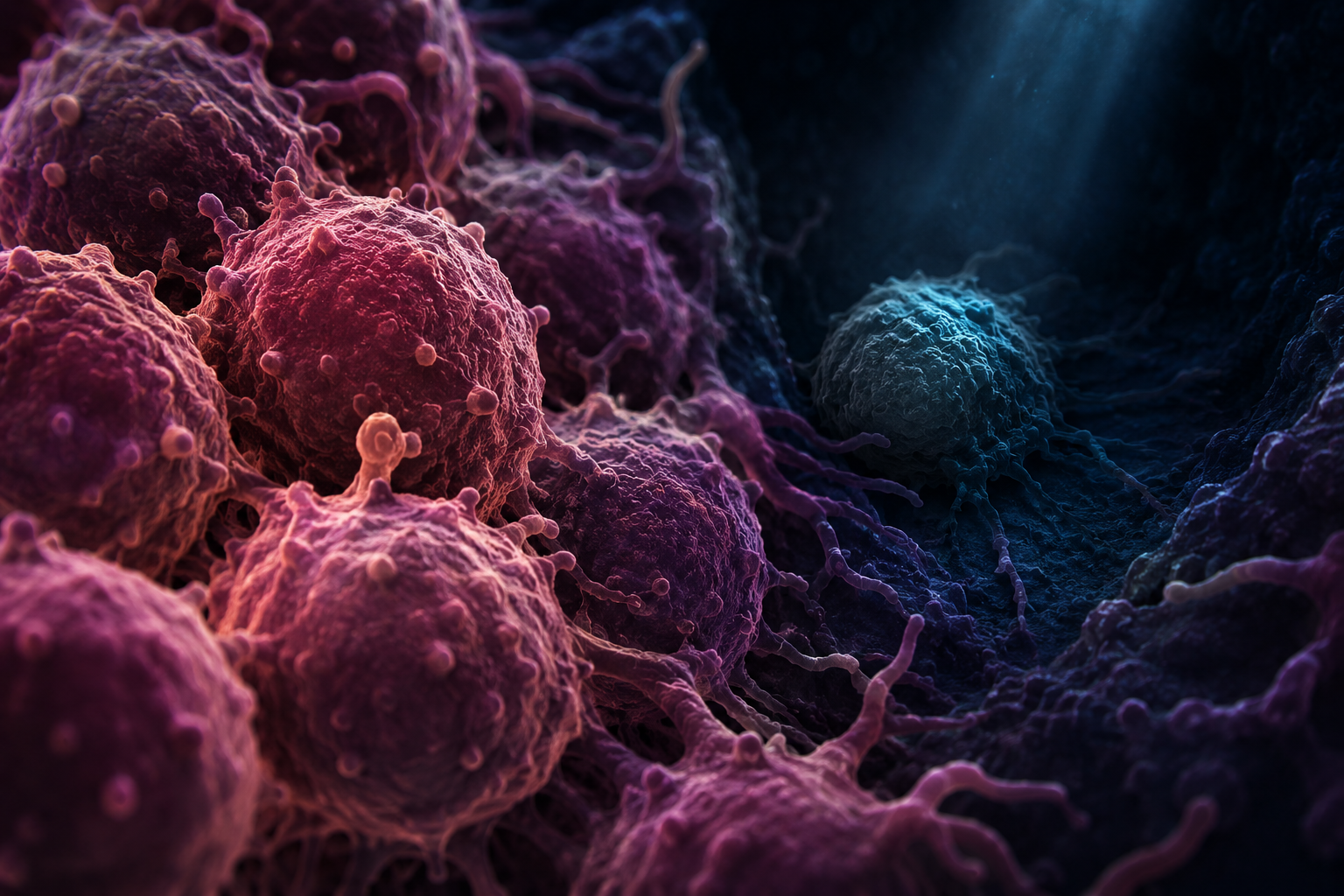
ChatGPT generated image
 Top
Top