

Article by Zain Khan for CQ newsroom
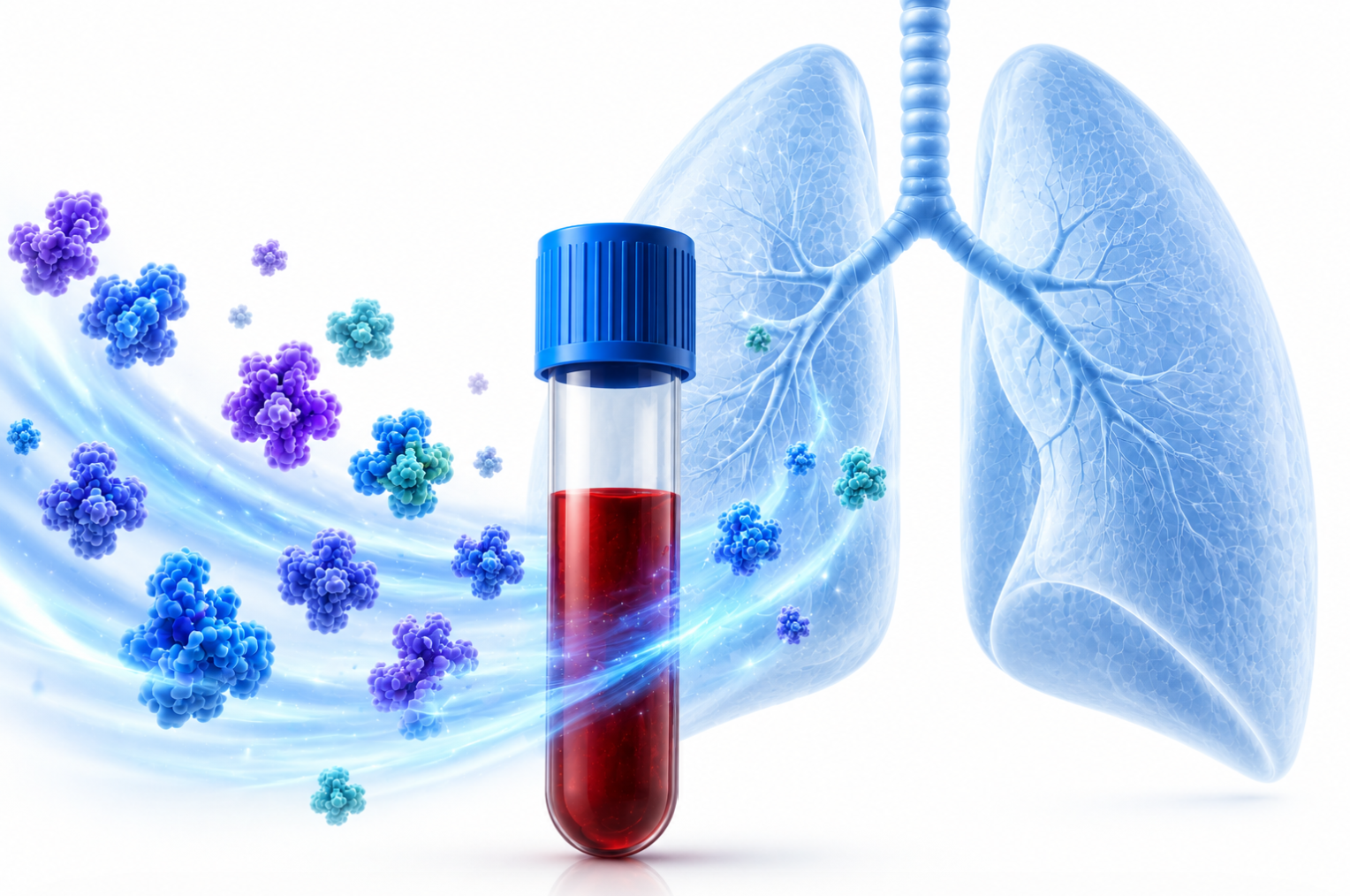
Researchers have developed a promising blood test that may help identify individuals at increased risk of developing lung cancer more than five years before the disease is diagnosed. The findings, recently published in the journal Cell, could represent an important step toward earlier detection and prevention of one of the world's deadliest cancers.
Why Early Detection Matters
Lung cancer remains one of the leading causes of cancer-related deaths worldwide. A major reason for its high mortality rate is that many cases are not detected until the disease has reached an advanced stage, when treatment options may be more limited. For years, scientists have searched for reliable ways to identify individuals at risk before symptoms appear. Earlier detection could allow for closer monitoring, preventive interventions, and potentially improved outcomes.
Identifying a Molecular Warning Sign
In the new study, researchers analyzed blood samples from thousands of participants across multiple independent cohorts using advanced proteomic technologies and artificial intelligence. Their goal was to determine whether specific patterns of proteins in the blood could predict future lung cancer development. The investigators identified a signature of 14 proteins that was strongly associated with an increased likelihood of developing lung cancer years later. Individuals carrying this protein profile were significantly more likely to receive a lung cancer diagnosis in the future, often more than five years after the blood sample was collected. Importantly, the findings were replicated across several independent populations, including individuals who had never smoked.
Beyond Smoking: Understanding Lung Cancer Risk
Although smoking remains the most significant risk factor for lung cancer, a substantial number of cases occur in people who have never smoked. Identifying biomarkers that can predict risk in both smokers and non-smokers has been a longstanding challenge in cancer prevention. One of the study's most intriguing findings was that the 14 proteins did not appear to originate from cancer cells themselves. Instead, they were produced by normal tissues responding to chronic inflammatory signals and environmental exposures. Researchers suggest that factors such as air pollution and other environmental stressors may trigger biological changes that contribute to lung cancer development long before a tumor becomes detectable.
A Potential Target for Prevention
The study also highlighted another important biomarker: interleukin-1 beta (IL-1b), a signaling molecule involved in inflammation. When investigators examined data from previous clinical trials, they found that individuals with the high-risk protein profile appeared to benefit from treatments that block IL-1b activity. These participants experienced a lower risk of developing lung cancer compared with similar high-risk individuals who did not receive the therapy. This observation raises the possibility that future prevention strategies could identify high-risk individuals through a blood test and then intervene before cancer develops.
Why This Matters
The ability to detect lung cancer risk years before diagnosis could transform how physicians approach prevention and screening. Rather than waiting for symptoms to appear, healthcare providers may one day be able to identify vulnerable individuals through a simple blood test and offer personalized monitoring or preventive therapies. While additional studies and clinical validation are still needed before such testing becomes part of routine medical practice, the findings provide compelling evidence that biological changes associated with lung cancer begin long before the disease is clinically apparent.
Looking Ahead
Researchers hope that future studies will confirm the predictive power of this protein signature and determine how it can be integrated into cancer screening and prevention programs. If validated, this approach could help identify high-risk individuals earlier, improve preventive care, and potentially reduce the burden of lung cancer through timely intervention.
 Top
Top