

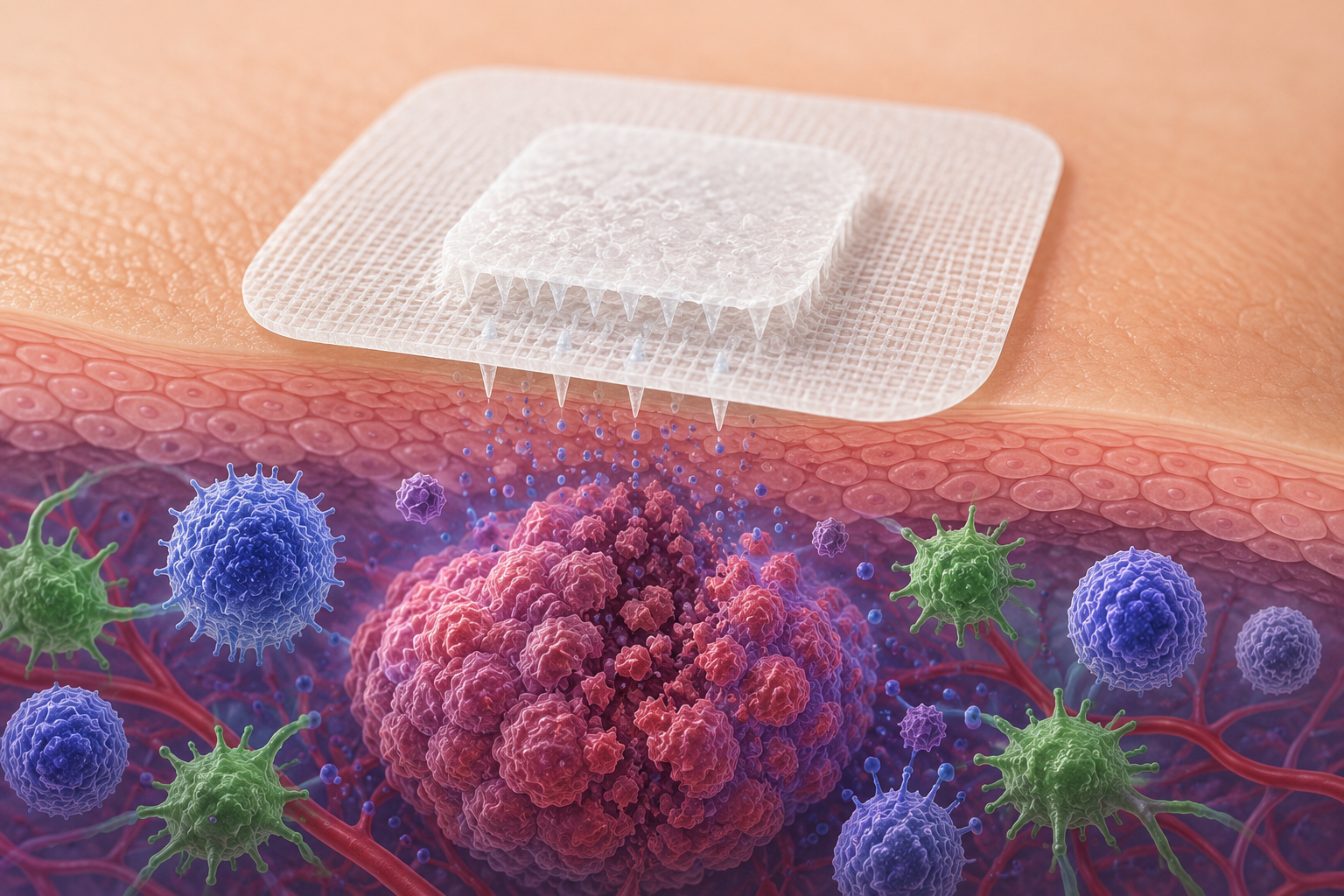
Melanoma is one of the most aggressive forms of skin cancer, and treating it can be difficult because tumors often develop ways to avoid the body's immune system. Researchers have recently developed a new microneedle patch that combines multiple cancer-fighting strategies into a single treatment.
How the Microneedle Patch Works
* Photodynamic therapy (PDT), which uses light to activate molecules that destroy cancer cells
* DNA nanoflowers that help transport therapeutic agents directly to the tumor site
* in combining these approaches, the treatment attacks cancer cells while also helping the immune system recognize and target the tumor.
Strengthening the Immune System
One of the most important findings was the patch's ability to improve the body's natural immune response. Researchers observed:
* Increased numbers of CD8+ T cells, which help destroy cancer cells
* Higher levels of immune-signaling molecules such as IFN-alpha and TNF-alpha
* Reduced numbers of immune-suppressing cells within the tumor environment
These changes helped transform melanoma tumors into a state that was more vulnerable to immune attack.
Why This Matters
Current melanoma treatments can be limited by drug resistance, side effects, and difficulties delivering medications directly to tumors. This microneedle patch offers a less invasive method that combines immunotherapy, nanotechnology, and photodynamic therapy into one treatment. If successful in future studies, it could provide a more targeted approach to fighting melanoma.
Looking Ahead
Although the results are promising, the research is still in the preclinical stage and has only been tested in mice. Additional studies and human clinical trials will be needed before the treatment can become available to patients. However, the findings is showing how advances in biomedical engineering are leading to personalized cancer therapies in the future.
 Top
Top