

Written by: Morgan Manuel
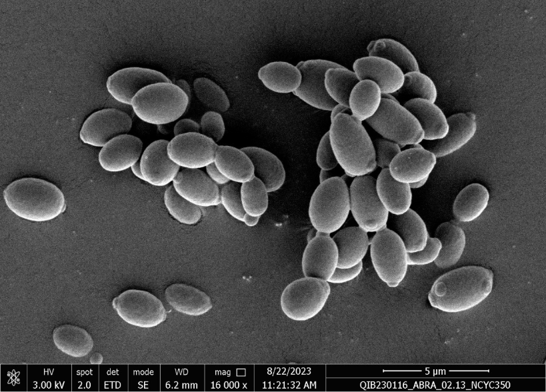
Researchers found Nakaseomyces glabratus enriched in samples from patients with castration-resistant prostate cancer and reported that the fungus accelerated progression in mouse models. Great microbiome/cancer story, with appropriate caution about causation in humans. The trillions of microorganisms living in human guts are increasingly being recognized as important players in cancer. While much of this research has focused on bacteria, scientists are now turning their attention to another part of the microbiome: fungi.
A new study published in Nature Cancer has identified a gut-dwelling fungus called Nakaseomyces glabratus that may contribute to the progression of prostate cancer. Researchers found the fungus in samples from some patients with castration-resistant prostate cancer and showed in mouse models that it can travel from the intestine to prostate tumors, where it alters the immune environment in ways that promote cancer growth.
The findings suggest that interactions between cancer treatment, the gut microbiome, and the immune system may play an unexpected role in how prostate tumors become resistant to hormone therapy.
Following a Fungus from the Gut to the Tumor
Using mouse models, researchers discovered that androgen deprivation therapy (ADT), a common prostate cancer treatment, increased intestinal permeability. This allowed N. glabratus to move from the gut into the bloodstream and eventually reach prostrate tumors. Once inside the tumor, the fungus activated immune cells called polymorphonuclear myeloid-derived suppressor cells (PMN-MDSCs). These cells can weaken the immune system’s ability to attack cancer, creating an environment that allows tumors to grow more easily.
Key Findings
In castrated mice with prostrate cancer, exposure to N. glabratus increased tumor growth and reduced survival. Researchers also found that the fungus had to be alive and reach the tumor to produce its strongest cancer-promoting effects. Another common fungus, Candida albicans, did not show the same effect, suggesting that the response may be specific to N. glabratus. The team also tested an intestinal hydrogel designed to strengthen the gut barrier, in mice, the treatment reduced movement of the fungus into tumors, lowered the number of suppressive immune cells, and slowed tumor growth.
Why This Matters
The study highlights a growing area of cancer research focused on microbiome and mycobiome. The findings suggest that cancer treatments may unintentionally alter the gut environment in ways that influence tumor progression.
The Takeaway
This research suggests that N. glabratus can migrate from the gut into prostate tumors after androgen deprivation therapy and promote an immune environment that supports cancer progression. Although the findings still require further study in patients, they reveal a possible connection between gut fungi, treatment resistance, and prostate cancer progression.
 Top
Top