

Newsroom

The DNA in our cells is highly organized. Part of that organization includes winding the DNA around balls (nucleosomes) made up of several different proteins called histones. Researchers have discovered that changes in the types of histones present in skin cells can drive the development of… more

About 90% of anal cancer cases are caused by infection with the human papillomavirus (HPV), the same virus that causes cervical cancer and head/neck cancers. The FDA has approved the use of Gardasil®, a vaccine that prevents infection with HPV, for the prevention of anal cancer. Men and women… more

Cancer cells use their “feet,” structures known as invadopodia, to spread throughout the body. Scientists have found a way to block the formation of these feet-like structures by blocking the Abl family of protein kinases. Suppressing these kinases also inhibited the protein that cancer cells use… more
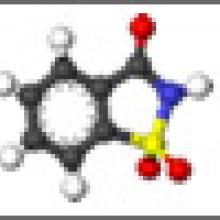
For over 20 years, the role of saccharin has been a contentious subject in discussions of food and human health. This artificial sweetener is used in many popular diet foods and drinks due to its high level of sweetness (~300x sweeter than sugar) and the fact that it does not contain any calories.… more

Viruses are quickly becoming key players in the fight against cancer. Scientists are developing ways to modify the genetic material of viruses to make them tools in fight againts malignant cells. A study recently published in Cancer Biology & Therapy describes the development of a modified… more

The Food and Drug Administration (FDA) has begun the process of withdrawing the approval of bevacizumab (Avastin®) for the treatment of breast cancer. The agency states that the benefits of Avastin® do not outweigh the risks for this cancer type.

The human papilloma virus (HPV) has recently come to national attention with the advent of the HPV vaccine, which is now in use both in the U.S. and abroad. Although the vaccine has largely been marketed as a means of preventing cervical cancer, some strains of HPV are also associated with an… more

Advanced melanoma poses a high risk of developing resistance to anti-cancer drugs and frequently spreads through the body via a process called metastasis. For this reason, melanoma is the most deadly of the skin cancers. Researchers at the Wistar Institute have been studying the mechanism by which… more
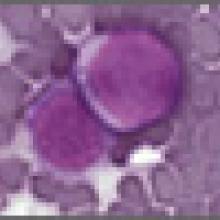
Recently, researchers have discovered beta-catenin as a new target for Mixed Lineage Leukemia (MLL) treatment. This form of leukemia is caused by mutations in the MLL gene and causes approximately 70% of infant leukaemias and 10% of adult acute leukemias. With currently available therapies, only 50… more

Melanoma is a particularly aggressive type of skin cancer. The severity of the condition is marked by its tendency to spread throughout the body in a process called metastasis. Before melanoma cells achieve this ability, however, they must first obtain a blood supply, which provides oxygen and… more

In order to grow, tumors need a steady supply of oxygen and nutrients. Without a blood supply to provide these, they can only grow to a small size. 'Successful' tumors have a way of making the body form new blood vessels via the process called angiogenesis. Blocking angiogenesis is the goal of many… more

Fruits and vegetables are key sources of nutrients, and they are essential for a healthy diet. These foods alone, however, do not appear to be sufficient to prevent cancer, according to an analysis conducted at Oxford University. Researchers reviewed the results of studies addressing the… more

Mesothelioma is a cancer of the lining of the body cavities. Although this rare disease is usually linked to exposure to asbestos, new research suggests that the mineral erionite may also pose a risk. Erionite originates in volcanic ash, but natural changes it undergoes on the Earth’s surface cause… more

Platinum-based drugs have been used in chemotherapy for over 30 years. Platinum interferes with the synthesis and transcription of DNA, which limits the ability of cancer cells to grow and reproduce. These drugs, however, also pose a risk to healthy tissue and can have severe side effects.… more

Colorectal cancer is the third most common type of cancer in both men and women. For this reason, screening has become increasingly common, and researchers have been working to identify areas to target for treatment. Over 80% of colon cancers overexpress an enzyme called focal adhesion kinase (FAK… more
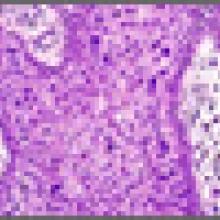
Celecoxib (brand name Celebrex®) is currently used as a pain medication and is frequently used to treat arthritis, but new research published in the Journal of the National Cancer Institute indicates the drug may be effective at preventing the development of cutaneous squamous cell carcinomas (SCCs… more

As cancer cells grow, they produce chemicals called reactive oxygen species (ROS), which cause cellular stress and pose a physical threat to the cancer cells’ survival. For this reason, the cells also generate an antioxidant system, which provides protection from the damage caused by ROS.… more

Aspirin has become a popular treatment for more than just aches and pains. Studies showing a relationship between daily doses of the drug and a reduced risk of heart attacks brought new attention to an old drug. This positive effect, however, was accompanied by an important negative: an increased… more

Radiation therapy is used to treat a variety of malignancies. In addition to its curative potential, however, radiation is often a source of significant side effects. A goal of treatment is to keep treatment time to a minimum, without reducing the benefits. A study performed at the Fox Chase Cancer… more

Ultraviolet (UV) light is a known cancer-causing agent. By damaging cellular DNA, UV light increases the risk of cells developing mutations leading to cancer. New research out of the Medical College of Georgia, however, indicates that UV light may not only create cancer cells; it may also help them… more
 Top
Top