

Newsroom

Ultraviolet (UV) light is a known cancer-causing agent. By damaging cellular DNA, UV light increases the risk of cells developing mutations leading to cancer. New research out of the Medical College of Georgia, however, indicates that UV light may not only create cancer cells; it may also help them… more
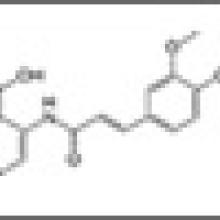
The non-toxic oral drug tranilast (brand name Rizaben®) is used to treat asthma in both Japan and South Korea. The drug also has known anti-cancer properties. Canadian researchers demonstrated that tranilast is capable of blocking breast cancer stem cells from forming colonies and spreading in a… more

Viruses are no longer simply the bad guy in the spectrum of human health. In fact, certain viruses can be used to selectively destroy cancer cells. Researchers at Boston University School of Medicine have discovered that the vesicular stomatitis virus (VSV) works to kill cancer cells by interfering… more

Ovarian cancer is the number one killer of women with gynecological cancers. One of the main reasons for this is ovarian cancer cells often become resistant to standard chemotherapy treaments, which work by inducing cell death (apoptosis). A drug currently being studied for its anti-cancer effects… more

Thomas Jefferson University researchers have shown that a 'Western-type' diet, high in fat and cholesterol, can increase the risk of prostate cancer and accelerate cancer growth and progression. The TRAMP mice used are pre-disposed to getting prostate cancer but the mice fed a fat/cholesterol… more

A new brain cancer vaccine has been developed by researchers at the University of Pittsburgh and at Wake Forest University. The vaccine is targeted at gliomas and will be tested in a small trial to see if it can prevent the recurrence of low-grade gliomas. Because gliomas of this type… more

Researchers at the University of Illinois have developed a laser-based technique for analyzing tissue samples. Traditionally, pathologists use visual changes to decide whether a sample of tissue contains cancer and to identify the boundaries between normal and cancerous tissue. The new… more

Stem cells are capable of changing into different types of adult cells and are being studied for their potential use in the treatment of diseases. Research performed in Israel and the U.S. raises warning flags about the use of transplanted stem cells in humans. The researchers examined… more
Examination of tissue samples from 117 cases of bladder cancer identified DNA from the human papillomavirus (HPV) was in 15% of the samples. The cases associated with HPV tended to be at earlier stages and were found in patients diagnosed with cancer at a younger age. The results… more

In a sophisticated set of experiments, researchers from Indiana and the National Cancer Institute have demonstrated that a particular type of immune cell (CD4 T cells) are capable of guiding the elimination of melanoma implanted into mice. The system is special for several reasons. … more
A five year study of 8556 post-menopausal women (aged 59-80) showed that women taking 0.5 mg lasofoxifene, an estrogen receptor modulator, had a reduced risk of developing breast cancer. This dose of the drug reduced the risk of breast cancer by 79%. The women chosen for the study also… more

Sequencing of DNA from 281 acute myeloid leukemia (AML) patients has identified a single gene that is associated with a worse prognosis. The gene, DNMT3A, encodes a DNA methyltransferase, an enzyme that modifies DNA. Patients with mutations in DNMT3A had a median survival of 12.3 months… more

Results presented at an American Association of Cancer Research (AACR) conference showed that 90% of children living in households with smokers had detectable levels of tobacco-associated cancer-causing agents in their urine. Ninety-five percent of the children had detectable levels of… more

Prostate cancer that no longer responds to inhibitors of androgens, called 'castration resistant prostate cancer (CRPC)', tends to be more aggressive. Comparison of the DNA of prostate cancers lead to the identification of a protein, N-cadherin, that is present at high levels in many of these… more

Researchers at Yorkshire Cancer Research have developed a novel method of detecting small cancer growths. The researchers use viruses to deliver a fluorescent jellyfish protein to the cancer cells. The cells then glow red when exposed to a specific type of light. The technique… more

Tumors are complex mixtures of normal (stromal) cells and cancer cells. Researchers using mouse models have shown that stromal cells can block immune function. The stromal cells were found to produce a protein, fibrobast activation protein-alpha (FAP), that inhibits the immune system. … more

Researchers from an international team have succeeded in keeping surgically removed prostate tissues, both normal and cancerous, alive and functional. The new technique allows researchers to study cancer in a new way. The cancer cells are still in their natural 'home'. The new… more

Freeze dried black raspberries were shown to reduce colon cancer development in two different types of mice. Each of the mouse types is susceptible to developing colon cancer, but for different reasons. Each mouse strain is defective in a different way but the raspberry fed mice had… more

MIT researchers have shown that medicinal plants can be made to make new, novel drugs. The scientists introduced bacterial genes into a plant that naturally produces the a chemical (vinblastine) that is used to treat some forms of cancer. The new genes gave the plants the ability… more

November is lung cancer awareness about and now lung cancer clinicians and others have something to celebrate. Despite the fact that lung cancer kills more people in the U.S. than breast, colorectal, pancreatic and prostate cancers combined, lung cancer screening options are limited.
The results… more
 Top
Top