

Newsroom

As we age, our cells age too. Some of them stop dividing and enter a state of reduced activity called senescence. Senescent cells can produce signals that lead to inflammation, aging and even cancer.
New research has demonstrated that (at least in mice) killing senescent cells can lead to… more

It is hard to overstate this. This. Is. Huge.
A woman with previous incurable breast cancer has no evidence of disease 22 months after being treated with a combination of immunotherapies.
The patient had gone through many different kinds of chemotherapy but still had large tumors growing in… more

Cancer patients have long been treated for the TYPE of cancer they have (breast, lung, prostate, etc.). Newer approaches are designed to look for drug targets that are common between cancer types. The idea is to treat the cancer based on its genetic makeup, regardless of where it appears.… more

The results of a large trial show that most women who are diagnosed with early stage breast cancer do not need to take chemotherapy. "The study found that for women with hormone receptor (HR)-positive, HER2-negative, axillary lymph node–negative breast cancer, treatment with chemotherapy and… more

We’ve all heard it many times; everyone from our doctors to our friends says, “Keep your cholesterol in check, and avoid eating fatty foods.” In addition to increasing your risk for heart disease, cholesterol may also increase the rate at which cells in the intestine grow and divide, a… more

What is the link between gut bacteria and cancer treatment? A study reported in January 2018 has found that 'good' microbes in the gut make cancer immunotherapy work better. Researchers were specifically looking at an immune checkpoint inhibitor- an antibody that targets an immune-regulator protein… more
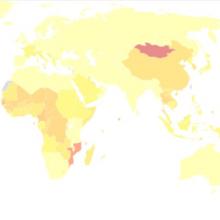
Although it is well known that chronic inflammation plays a major role in the growth and progression of cancers, physicians and researchers are still learning of exactly how chronic inflammation is causes cancer. According to a new study published by Dr. Karin et al. of University of California San… more
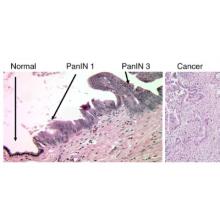
The identification of signals that indicate the presence of disease is challenging, but important. These signals (called biomarkers) could hold the key to the early diagnosis of pancreatic cancer. Drs. Zaret and Petersen from the Penn Institute for Regenerative Medicine and Mayo Clinic… more

As the director of a cancer education project, I frequently get questions from friends, family members and others about people diagnosed with cancer. Hopefully this advice will be helpful to others. Note that I am not a medical doctor of any kind. I am a PhD. I do not give medical advice on… more

Cancer survivors often go through many different treatments, including radiation and chemotherapy drugs. These treatments are often successful in getting rid of cancer, but some negative effects can last a lifetime. The life expectancy for cancer survivors is 30% lower than those who have not… more

New research from researchers at Mt. Sinai Medical Center may change the way we understand how cancer spreads (metastasizes). The study looked at how very early breast cancer spreads. Even before a tumor was visible, changes in immune cells called macrophages lead to movement of breast cancer… more

A study of 650 Europeans followed for 10 years suggests that eating more fruits and vegetables, particularly tomatoes and apples may help keep the lungs healthy. Those people with increased intake of these foods showed better lung function, and it appears that the diet was able to help repair lung… more

So, e-cigarettes are supposed to help people quit smoking, right?
The opposite may be true.
A study of 915 U.S. adults compared people who used e-cigarettes with those that didn't. E-cigarette users were much more likely to start smoking tobacco within 18 month. For those who did not vape,… more

Cancer treatments are designed to kill cancer cells. Seems pretty simple, but it isn't. When cancer cells die, they can cause inflammation, and chronic inflammation supports the growth of cancer.
What can be done about this?
Researchers from Harvard and the Institute of Systems Biology have found… more

Breast cancer treatments often cause side effects for women, and some of them can last for years. Some of these effects are due to the effects of the drugs on the production and activity of estrogen. Research published in the journal Breast Cancer Research has shown that women who ate more… more

Kentucky has one of the highest smoking rates in the U.S. A study by the University of Kentucky looked at 20 years worth of information and showed that people living in counties with smoke-free workplace laws have lower rates of lung cancer. Less smoke - less lung cancer. Most cancer is… more

It would be great if there was an inexpensive, approved, non-toxic treatment for cancer. An international team of investigators has identified just such a drug. The chemical, N-acetylcysteine (NAC) is an antioxidant that is used to treat colds and other conditions. The researchers gave… more

A study of medical professionals with colon cancer showed that intake of more fiber was linked to better survival, both from their cancer, and overall. A benefit was also seen in patients that increased their fiber intake AFTER their diagnosis. The type of fiber mattered. Patients who… more
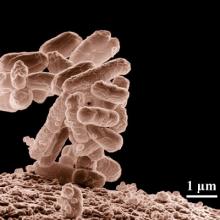
Bacteria live on us and in us. We are starting to learn just how much of our biology and health they control.
Gut bacteria have now been linked to the development of cancer and some of them seem to be able to control how cancer cells respond to chemotherapy. Research with colon cancer has shown… more

Research at the Winship Cancer Institute of Emory University has demonstrated that getting weekly massages leads to reduced cancer-related fatigue. The study included 66 women with stage 0-3 breast cancer. Those women who got weekly massages reported clinically significant changes in their… more
 Top
Top