

Newsroom

Scientists at the University of Rochester recently identified a protein that helps to repair DNA damage caused by reactive oxygen species (ROS). ROS are chemicals that can be formed by exposure to radiation but may also occur as a normal byproduct of cellular activities. … more

Researchers at Cedar-Sinai Medical Center have developed an experimental immunotherapy that may prolong the life of patients with gliomas, a common form of brain cancer. The researchers worked with newly diagnosed gliobastoma multiforme patients. Blood cells were taken from the patients,… more

A recent release by the University of Chicago Medical Center suggests that many patients with cancers in late stages receive chemotherapy and treatments that are ineffective when they should be seeking other solutions. These patients often end up facing high risks and costs when instead, they… more

The Van Andel Institute and researchers from the United States, China, and Singapore have discovered an important protein that may play a significant part in the development of nasopharyngeal carcinoma (NPC). NPC is the most common cancer of the head and neck and also has the highest rates of… more

Many new cancer treatments are designed to block the development of new blood vessels that feed tumors. One of the most common targets is the vascular endothelial derived growth factor (VEGF). New research has shed light on the mechanism by which anti-VEGF treatments cause the death of… more

In a study published in Cancer Research, putting mice on a low carbohydrate/ high protein diet lowered the risk of cancer and slowed the growth of implanted tumors. In one experiment, several different strains of mice were implanted with either human or mouse tumors and fed on one of two diets (… more

New research presented in the American Journal of Epidemiology demonstrates that at least one form of brain cancer, glioma, does not tend to develop in the areas that would be predicted to be most affected by radiation coming from cell phones. The Finnish study examined 888 cases of glioma… more

The US Department of Health and Human Services released the "12th Report on Carcinogens” on Friday, June 10, 2011 through the National Institute of Health’s National Toxicology Program. In this report, eight chemicals were listed for the first time as agents that were “known or reasonably… more


A study of over 14,000 childhood cancer survivors showed that they are at higher risk of developing stomach/digestive tract problems later in life. Survivors were also more likely to need medical care for digestive problems, including cirrhosis of the liver. It is important that cancer… more

Today, the Friday before the Memorial Day weekend, is 'Don't Fry Day'. Melanoma skin cancer is the most lethal form of the disease and is the most common cancer in 25-29 year olds. The number of melanoma cases in the U.S. has been increasing, and younger people are frequently… more

A chemical, polysaccharopeptide (PSP), isolated from the Turkey tail mushroom has been shown to have potent anti-cancer activity. PSP was able to block the development of cancer in mice injected with prostate cancer cells. Importantly, PSP also to prevented development of prostate… more
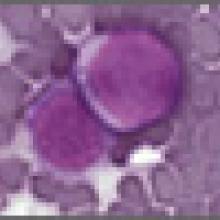
One of the major drawbacks of targeted cancer therapies is that cancers often become resistant to the drugs. Acute Lymphoblastic Leukemia (ALL) is a prime example. Drugs that block specific enzymes (kinases) in patients with this disease often fail due to the development of cancer cells… more

Many women get screened for cervical cancer every year. The results of a large study to be reported at the American Society of Clinical Oncology (ASCO) meeting in June show that some women only need to be tested every three years. Women who have a negative test for HPV, the virus that… more

It has been known for a long time that smokers are at higher risk of many different cancers (and cardiovascular disease. New research shows that, at least for colon cancer, smokers also are more likely to die from the disease. Ex-smokers also had a slightly higher risk of dying from their… more

New results are in for a trial examining the effectiveness of the anti-estrogen drugs tamoxifen and anastrozole for the prevention of breast cancer recurrence. After 10 years, the results demonstrate that anastrozole (Armidex®) causes fewer side-effects and is better at preventing cancer… more

Results of a study from Johns Hopkins shows that many men with low-risk prostate cancer do very well without any medical intervention other than being closely monitored. The results are important because at present, many men witht this type of cancer have surgery and/or radiation treatments… more

Prostate cancer screening with tests for prostate specific antigen (PSA) is controversial because the test is not very specific, resulting in unnecessary biopsies and fear. A team of researchers from Germany and Sweden has developed a new test that may avoid these problems.
The new test… more

Targeted cancer drugs are supposed to be the 'smart bombs' of oncology. Unfortunately, many patients with the correct 'target' don't seem to respond well to the treatments Evidence is accumulating that one reason for the poor results is that there are decoy targets present that are… more

A new report from in the UK looking at leukemia in children less than 5 yrs old shows that merely living near a nuclear power plant does NOT raise the risk of leukemia. The study evaluates information collected over the thirty-five year period between 1969 and 2004.
 Top
Top